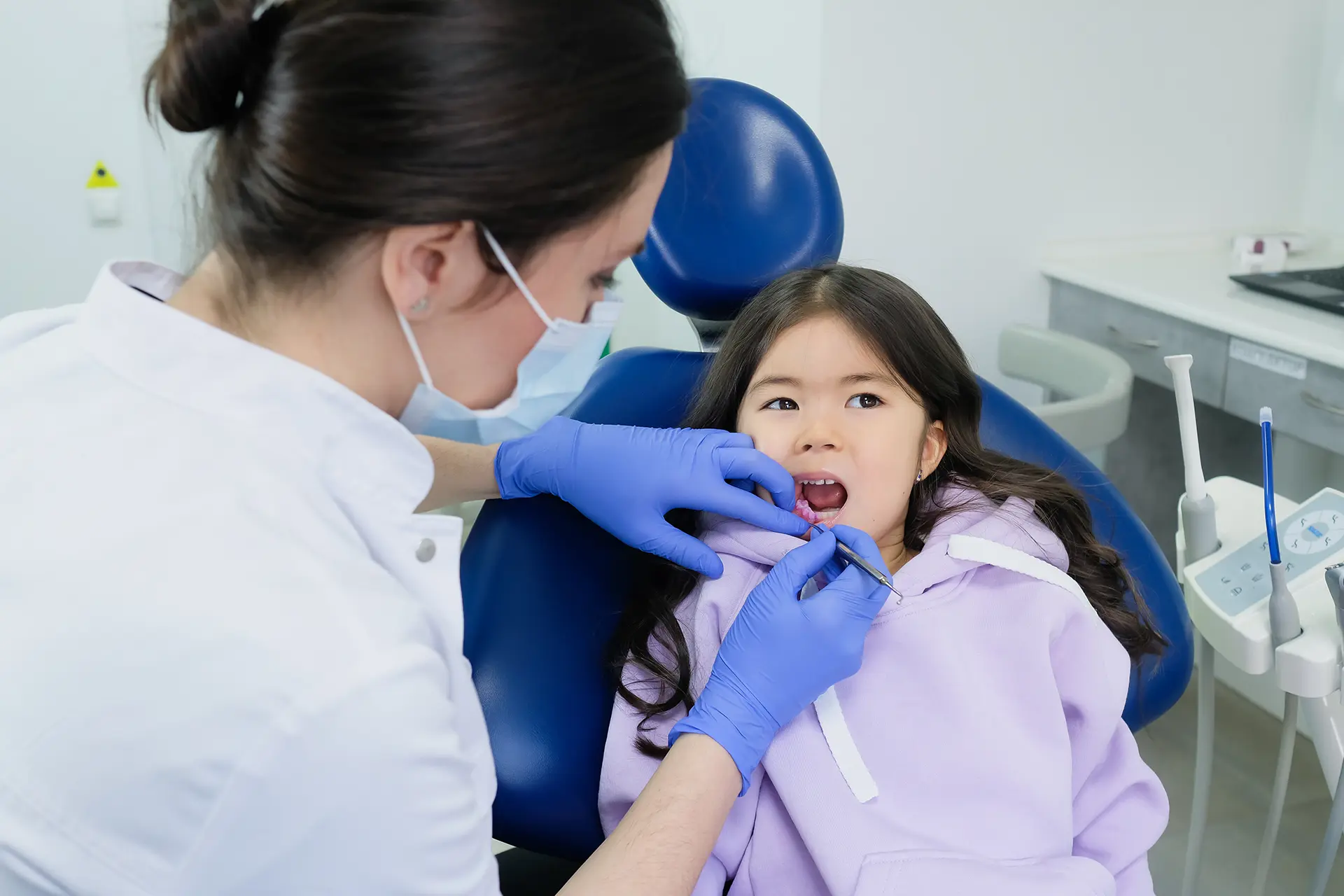
Pediatric Dental EmergenciesIn East Lake Chula Vista, California
When your little one is in pain from a dental problem, every moment counts. Call us right away so we can help your child feel better with gentle, prompt care. Not sure if what's happening is truly an emergency? Keep reading to learn what parents need to know.
What should I do if my child is facing a dental emergency?
If your child is having a dental emergency, getting help quickly can relieve pain and make all the difference—no matter how small the problem seems. Toothaches, chipped or cracked teeth, knocked-out teeth, loose teeth after a fall or sports injury, lip or cheek lacerations, bleeding or swollen gums, and facial swelling are all signs that your child needs prompt care. Give us a call right away so we can get your child seen immediately and help stop the pain before it gets worse. Fast treatment not only helps your child feel better and get back to school, play, and sleep, but also prevents complications such as infection, root damage, or long-term problems with developing permanent teeth. After any dental injury, it’s crucial to follow recommended home care and attend all follow-up visits, since some issues can evolve over time. Acting early protects your child’s smile, supports proper healing, and gives you peace of mind knowing they’re safe and cared for.

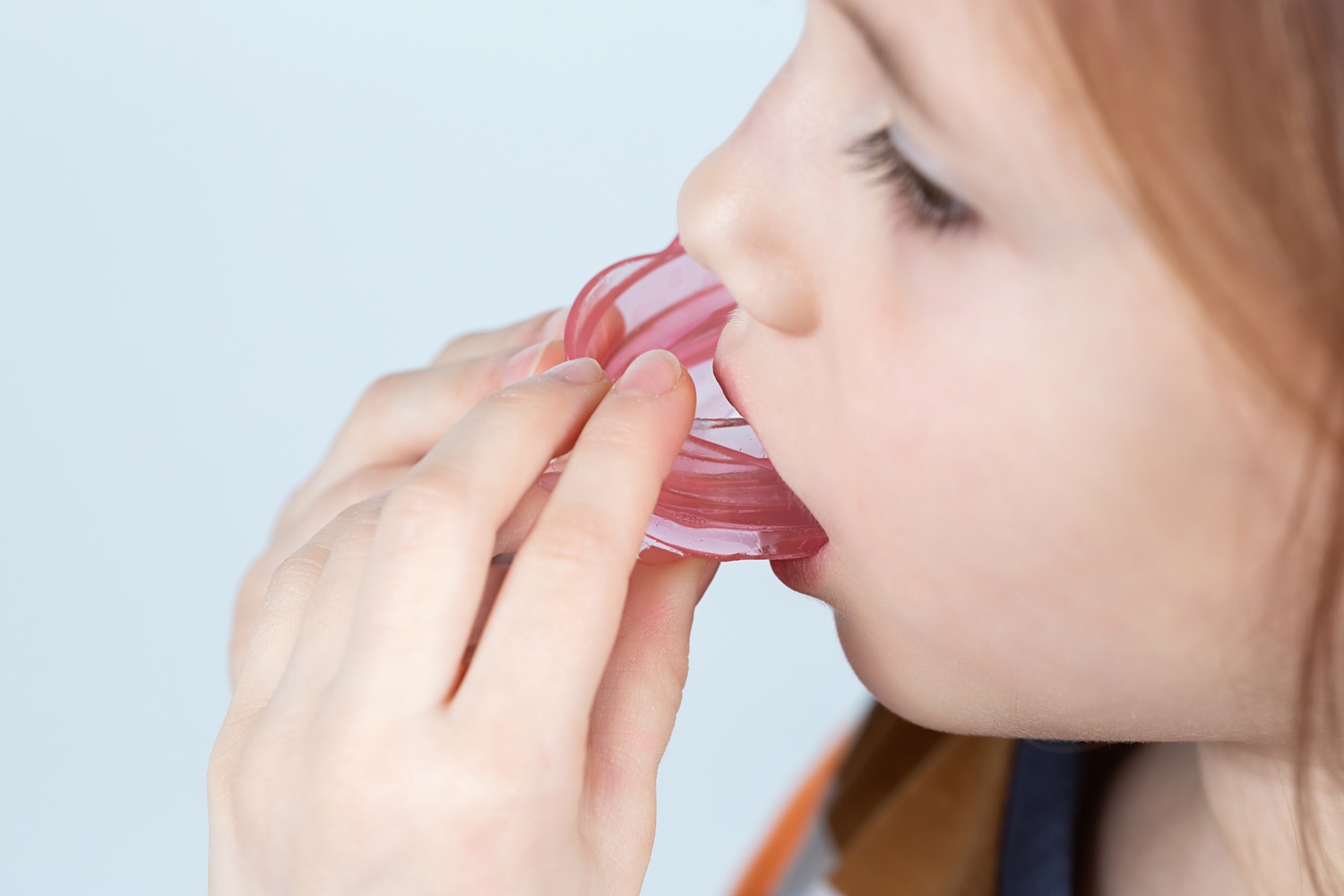
Mouth Guards
Dental injuries from sports and play are more common than many parents realize—about 22,000 dental injuries occur in children each year, and between 10–61% of young athletes experience some form of dental trauma. Contact and collision sports such as football, hockey, lacrosse, field hockey, basketball, and soccer carry particularly high risks, but activities like baseball, softball, biking, skateboarding, and playground play are also common causes of dental injuries. A properly fitted mouthguard significantly reduces the chance of tooth fractures, lip and cheek injuries, and jaw trauma by absorbing and distributing impact forces. That’s why we strongly recommend mouthguards for children participating in organized sports or any activity with a high risk of falls or collisions. Protecting your child’s smile now can prevent pain, emergency visits, and costly long-term dental treatment later.
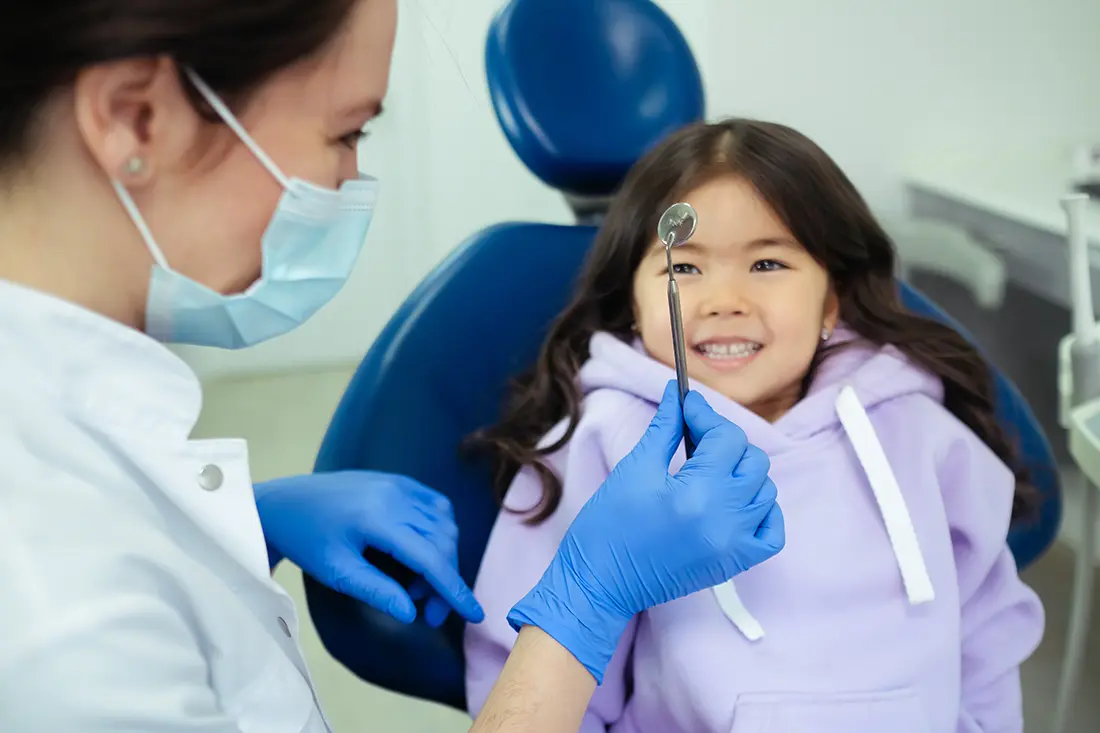
Problem-Focused Exams
Problem-focused exams—also known as limited exams—allow us to focus directly on what’s hurting or injured so we can get your child comfortable as quickly as possible. Whenever appropriate, we offer same-day treatment to relieve pain and restore confident smiles right away. During this visit, we will examine the injured area, take digital X-rays as needed, make a diagnosis, and review a clear treatment plan with you before completing any recommended procedures. Follow-up after dental injuries is crucial, as some issues can change over time, so we will schedule the necessary rechecks to ensure proper healing and protect both the baby tooth and the developing permanent tooth underneath.
The Benefits of Immediate Emergency Dental Care
Stops Pain Quickly
A broken tooth, lost filling, or bad toothache hurts—and for kids, that pain feels even worse. Once we take care of the problem, your child can get back to learning, playing, and smiling happily.
Prevents Bigger Problems
With dental issues, waiting makes things worse. Getting help right away means simpler treatments, faster healing, and better outcomes for your child.
Saves Time and Money
Fixing a cracked tooth right away costs much less than waiting until it needs to be removed and replaced. When you bring your child in at the first sign of trouble, you'll save yourself time, money, and stress.
Our difference

Weekend Appointments
Because our office is open on Saturdays, we offer flexible weekend scheduling to help children be seen quickly when dental emergencies arise. Prompt care is essential in relieving pain and preventing further complications, and our team prioritizes timely treatment to get your child comfortable as soon as possible.
Same-Day Appointments
During a dental emergency, things can change in an instant. That’s why we offer same-day care to ensure your child gets immediate attention when they need it most.
The Emergency Dentistry Treatment Process

Call Our Office Right Away
As soon as you notice something's wrong with your child's tooth, give us a call. We'll ask about what's happening, schedule you for the earliest possible appointment, and give you tips on how to keep your child comfortable until you arrive.

Kid-Friendly Emergency Exam
When you get to our office, our gentle dentist will carefully check your child's mouth. We'll find out exactly what's causing the problem and explain the best way to fix it in terms both you and your child can understand.
Treating Your Child’s Condition
Every child and every emergency is different. Depending on what your child needs, we might fix a cavity, repair a broken tooth, help a wobbly tooth, or address an infection. Whatever the problem, we'll focus on getting your child feeling better as quickly and comfortably as possible.
FAQs
Frequently Asked Questions
Check out these frequently asked questions, or call us to speak with our team.
For baby teeth that come out early, we typically don't try to put them back in. But you should still bring your child to see us right away so we can check for any damage and possibly place a "space maintainer." This simple device keeps the right amount of room for the adult tooth that will come in later.
For permanent teeth that get knocked out, time is critical! Gently pick up the tooth by the white part (not the root), rinse it carefully without scrubbing, and place it in a small container of cold milk. Then come straight to our office as quickly as possible—ideally within 30 minutes. Don't spend too much time trying to stop bleeding or manage pain at home. The tooth has the best chance of being saved if it's put back in within 1-2 hours. We'll help with pain and bleeding when you arrive.
Collect the filling, crown, or other piece of dental work and place it in a plastic baggie. Then, call us for a same-day appointment, and make sure to bring your child’s dental work in with you. It may be possible to reattach a crown instead of completely replacing it.
A bad toothache often means your child has a deep cavity or an infection starting. You should call us for an appointment right away—these problems won't get better on their own and will only cause more pain if left untreated.
First, help them rinse with warm water and apply a cold compress if there's any swelling. Then call us for a same-day appointment. Even small chips can create tiny cracks that might lead to bigger problems later. Our dentist will check the damage and recommend the best way to fix your child's tooth and keep their smile healthy.
If it's a baby tooth that's getting wiggly on its own (with no injury), that's usually normal. Baby teeth naturally loosen before they fall out.
However, if a tooth suddenly becomes loose after a fall or injury, especially with pain or bleeding, that's different. In this case, you should call us for an appointment so we can check if the tooth can be saved or if we need to help it come out and place a space maintainer.