
Pediatric Dental CrownsIn East Lake Chula Vista, California
No parent wants their kid to deal with toothaches or damaged teeth. Pediatric dental crowns are specially made for tiny teeth to restore those that have been too damaged by decay or injury to be repaired with a simple filling. Keep your child’s smile healthy as they grow and develop.
Why should my child get a pediatric dental crown?
Pediatric dental crowns are often recommended when a baby tooth has extensive decay, deep cavities, developmental defects (such as enamel hypoplasia), or when other filling materials are likely to fail. They are also commonly used after pulpotomy or pulpectomy, for children with high cavity risk, or when a primary tooth needs extra strength—such as serving as an abutment for a space maintainer. Crowns provide full-coverage protection, restoring the tooth’s shape, strength, and function. By covering the remaining healthy structure with a durable stainless steel or zirconia crown, we can prevent further damage and help the tooth stay in place until it naturally falls out, supporting normal chewing, speech, and proper spacing for the permanent teeth.
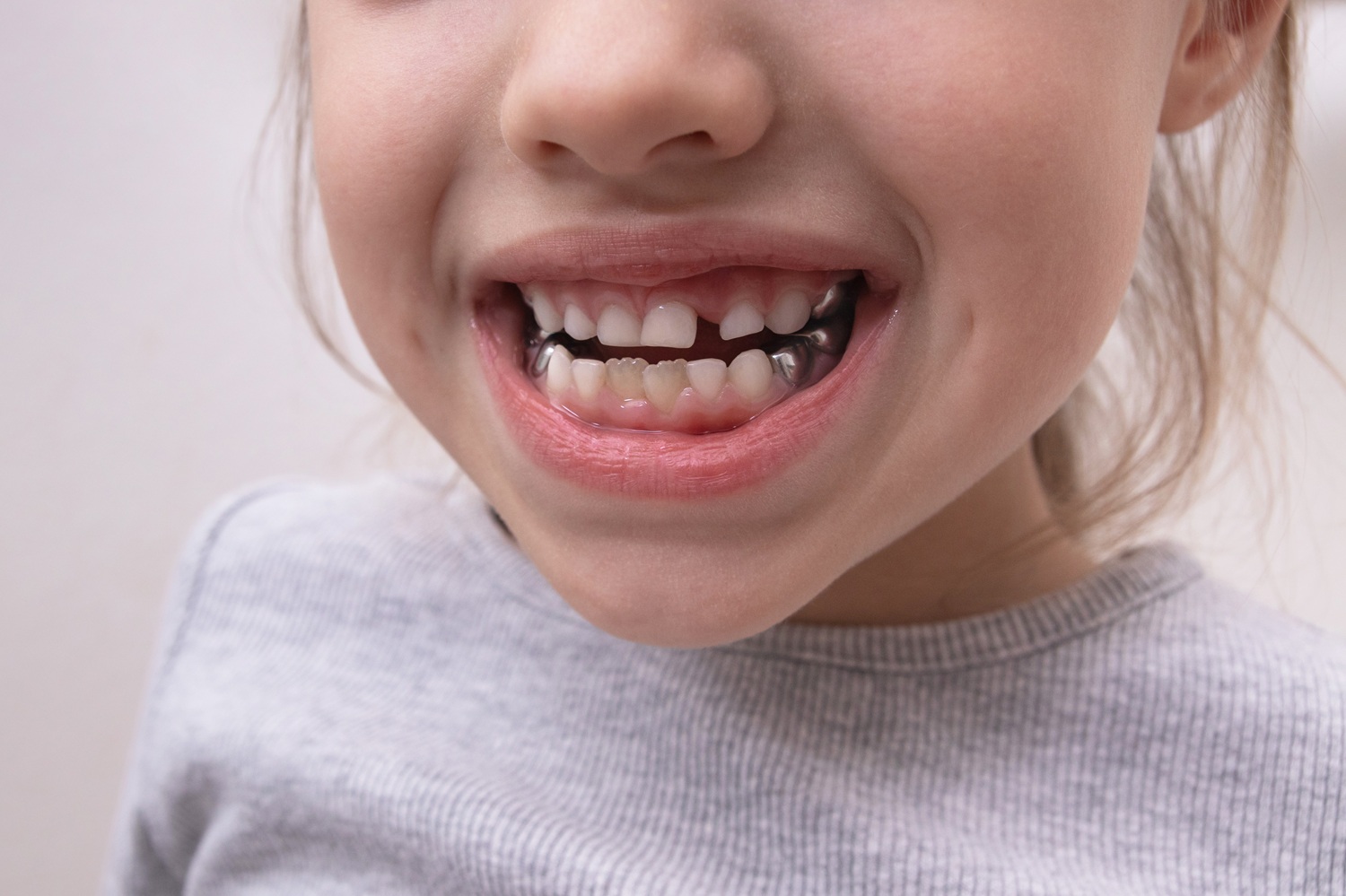
What are pediatric zirconia crowns?
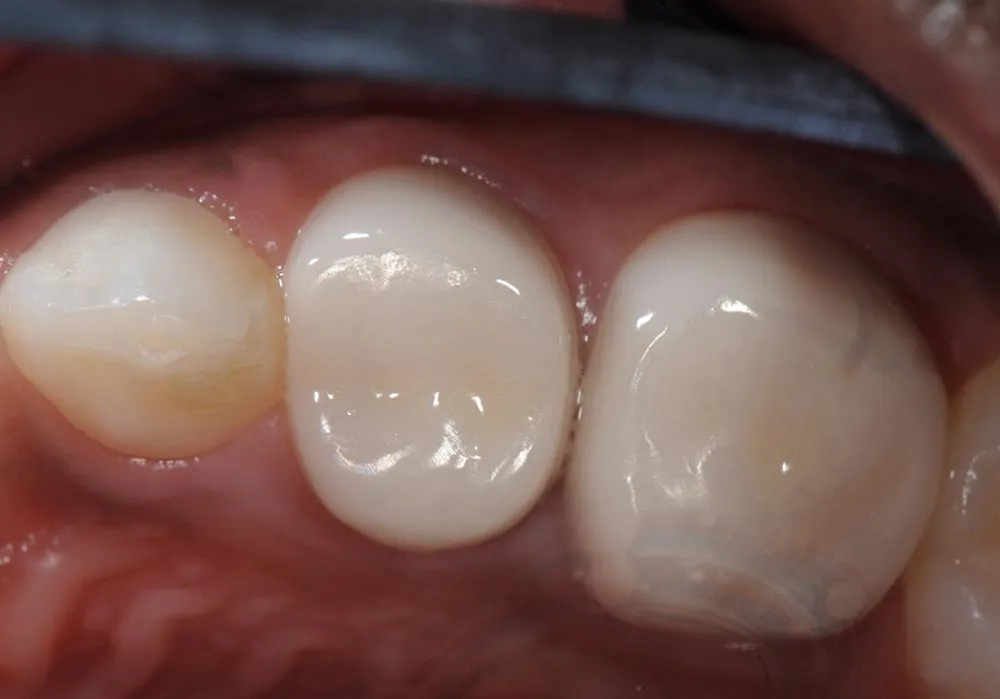
Zirconia crowns are tooth-colored, ceramic restorations designed specifically for children. They’re made from zirconium dioxide, a biocompatible material known for its exceptional strength, durability, and smooth surface. Unlike stainless steel crowns, zirconia crowns look just like natural teeth, making them an ideal choice for parents who want a more esthetic option—especially for front teeth or visible areas of the mouth.
Because they’re metal-free, zirconia crowns are also a great option for children with metal sensitivities. They resist plaque buildup and staining, helping keep little smiles clean and bright. With proper care, zirconia crowns can protect baby teeth comfortably and beautifully until they’re ready to fall out naturally.
The Benefits of Pediatric Dental Crowns
Prevents Dental Emergencies
Kids’ dental crowns help strengthen weak, cracked, or heavily decayed teeth before they break. By reinforcing the tooth, crowns reduce the risk of painful dental emergencies and give parents peace of mind knowing their child’s smile is protected.
Improves Daily Comfort
A damaged or sensitive tooth can make eating, speaking, and even smiling uncomfortable. A dental crown restores the tooth’s shape and function, helping your child enjoy their meals and daily activities without pain. With a gentle, child-centered approach, we help kids leave feeling comfortable and confident.
Supports Long-Term Health
Preserving baby teeth with crowns helps maintain healthy jaw development and proper spacing for the permanent teeth. By protecting natural tooth structure, crowns reduce the likelihood of future orthodontic issues and support your child’s overall oral health as they grow.
Our difference
Board-Certified Pediatric Dentist
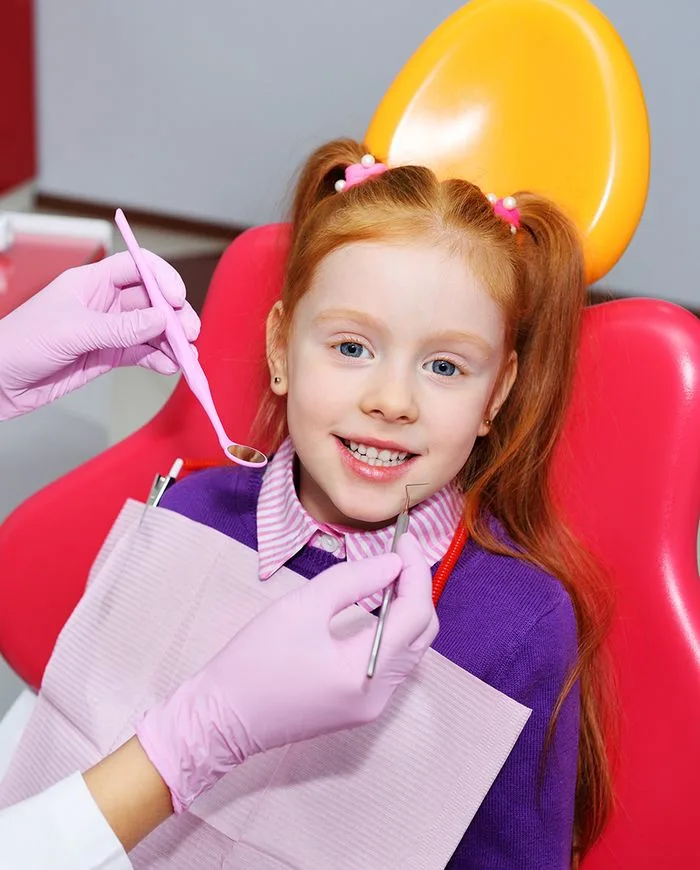
Rest assured that your child is receiving top-notch, specialized care with our Board-Certified Pediatric Dentist. To be recognized by The American Board of Pediatric Dentistry, doctors must undergo extensive training in the pediatric field in addition to their standard dental degrees.

Stainless Steel Crowns
Extremely durable and affordable, stainless steel crowns are excellent for restoring rear baby teeth, as they’re able to hold up to the wear and tear of chewing. Because of their silver color, they are ideal for rear teeth that don’t show when your little one smiles, as well as for baby teeth that are destined to be replaced with permanent ones.
The Pediatric Dental Crown Treatment Process
Tooth Numbing & Preparation
After numbing your child’s tooth, the dentist will use a dental drill to remove the decayed tooth structure. Teeth that require crowns typically have large or deep cavities that extend into the dentin layer. By removing the decay and shaping the tooth, we create a stable foundation so the crown can fit properly and protect the remaining healthy structure.

Dental Crown Try-In
Once the tooth is prepared, the dentist will try in different pre-sized stainless steel or zirconia crowns to find the one that fits the tooth securely. The goal is to choose a crown that fits snugly enough to stay in place, protect the tooth, and maintain proper retention once cemented. This process does not involve impressions—just careful selection and adjustment to ensure the best possible fit before the crown is permanently placed.

Crown Cementation
After the tooth is prepared, your child’s dentist will select a pre-fitted crown—either a stainless steel crown (SSC) or a zirconia crown—based on the size and shape that best fits your child’s tooth. These crowns come in a variety of sizes and do not require any lab fabrication. Once the ideal fit is confirmed, the crown is filled with dental cement and placed over the tooth, creating a strong, secure seal. The crown is permanently cemented in place during the same appointment, allowing your child to leave with a fully restored tooth that protects the remaining structure and supports normal chewing and function.
FAQs
Frequently Asked Questions
Check out these frequently asked questions, or call us to speak with our team.
Pediatric dental crowns are recommended when a baby tooth has significant damage or decay that cannot be reliably restored with a filling. This includes teeth with extensive cavities, cervical decalcification, or developmental defects such as enamel hypoplasia or hypocalcification. Crowns are also advised when other restorative materials are likely to fail—such as in cases of large interproximal cavities, children who grind their teeth (bruxism), or when the tooth has undergone pulp therapy like a pulpotomy or pulpectomy due to nerve inflammation or extensive decay.
Crowns may also be recommended when a primary tooth needs to serve as an abutment for a space maintainer, or when a fractured tooth has lost a large amount of structure and needs full-coverage protection to restore function and appearance. They are especially useful for children with high cavity risk or for those receiving treatment under sedation or general anesthesia, since crowns provide a durable, long-lasting solution that reduces the likelihood of future retreatment.
In all cases, the goal of a pediatric dental crown is to protect the remaining natural tooth structure, support normal chewing and speech, maintain space for the permanent teeth, and promote healthy dental development.
Your child’s dentist will determine whether a dental crown is the most appropriate treatment based on the extent of damage or decay. In some situations, a simple filling or dental bonding may be enough to restore the tooth. However, teeth with deep cavities, large areas of decay, or significant tooth structure loss often benefit most from a crown, which provides strength and full-coverage protection.
If your child experiences an oral injury, a crown may be recommended when the trauma results in substantial loss of tooth structure and the tooth needs added support to maintain proper function, stability, or appearance. Not all injured teeth require crowns—some may only need smoothing, bonding, or monitoring—but when the damage is more extensive, crowning the tooth helps preserve both function and esthetics.
If you notice visible damage, increased sensitivity, or signs of a deep cavity, contact your child’s dentist right away for an evaluation so they can recommend the most appropriate treatment.
Yes. Pediatric dental crowns are designed to be strong and durable, but their longevity can vary depending on factors like your child’s chewing patterns or grinding habits. The goal of a crown is to protect the tooth until it naturally exfoliates. When that time comes, the crown and baby tooth will typically fall out together as one unit, making room for the permanent tooth to grow in.
No. There is no lengthy recovery process after your child gets a crown. They can resume their day-to-day activities immediately after their appointment and maintain a normal diet. Your child’s tooth may feel a bit sore or tender for a week or two after it’s been placed, but this is normal. Some minor sensitivity is nothing to worry about, as this issue will go away on its own.
To care for your child’s dental crown, all you need to do is treat it like a natural tooth. You will need to brush their teeth at least twice per day for two minutes, and floss their teeth once per day. Depending on their age, they may be able to do this themselves.
Beyond proper oral hygiene, you should make sure your child eats a tooth-friendly, healthy diet low in sugary foods and drinks. You should also set appointments for your child to see their pediatric dentist every six months for a check-up and a teeth cleaning. If you follow these simple steps, your child’s crown will last for years.
Restorative dental care for children is almost always covered by dental insurance, so you can expect your insurance company to cover the cost of one or more pediatric dental crowns. However, the coverage limits, deductibles, and specifics of each insurance policy differ.
For that reason, we highly recommend consulting with your insurer directly to learn more about your coverage before you schedule your child’s appointment with their dentist. This will ensure that you avoid any unexpected bills, and that your child’s treatment is completely covered.